Key Takeaways:
- Abu Dhabi aims to nearly double tourism’s contribution to GDP by 2030, with cultural landmarks on Saadiyat island driving visitor growth.
- Abu Dhabi Art has just staged its largest edition yet and will be rebranded as Frieze Abu Dhabi in 2026, cementing the emirate’s ambitions on the global art-fair circuit.
- New events such as NOMAD Abu Dhabi, a collectible design fair set in Zayed International Airport’s historic Terminal 1, create fresh opportunities for luxury brands to collaborate across art, design, and architecture
With iconic institutions and legendary art scenes, Paris, New York, and London have long stood as the world’s cultural capitals.
But Abu Dhabi wants in. Already leading the Gulf’s cultural development, the UAE capital is now setting its sights on becoming a global art hub.
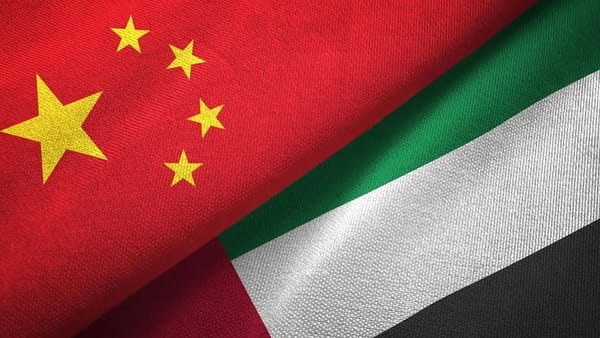
At the heart of this mission is Saadiyat Island. The $27 billion government project already boasts its own Louvre Museum — the result of an unprecedented partnership between France and the UAE — and will soon house a Guggenheim, an extension of the renowned New York institution.
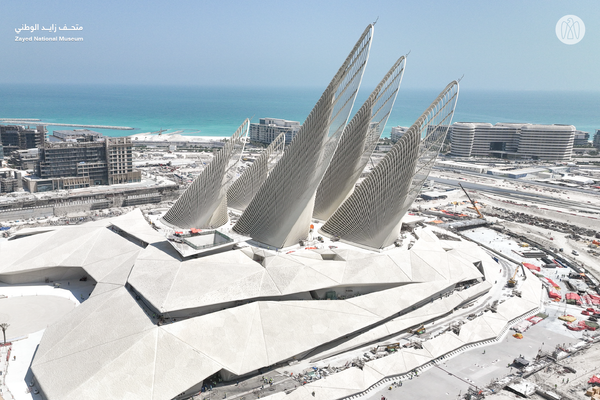
Saadiyat is also becoming a dense cultural cluster, with experiential art space teamLab Phenomena, the newly opened Natural History Museum Abu Dhabi and the Zayed National Museum adding further weight to the island’s ambitions as one of the world’s most significant museum districts.
Under Economic Vision 2030, Abu Dhabi is making hefty investments to diversify its economy and preserve cultural heritage. In line with this mission, the Department of Culture and Tourism has set an ambitious target: nearly doubling tourism’s contribution to GDP from AED 49 billion in 2023 ($13.3 billion) to AED 90 billion ($24.5 billion) annually by 2030.
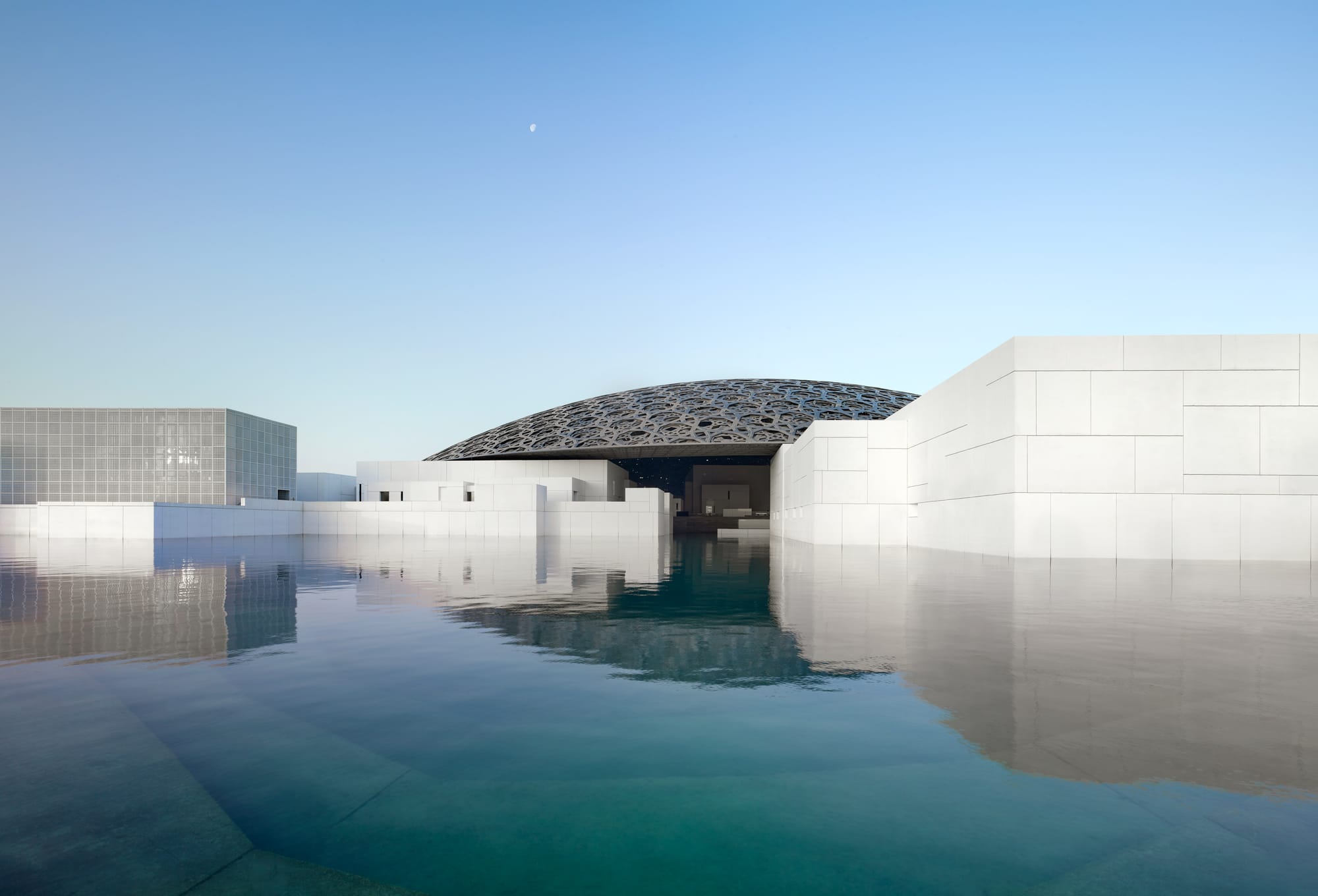
Museums anchor cultural tourism
The first pillar of this tourism strategy involves enhancing the guest experience through additional cultural sites, retail offerings, and hotel chains.
Among cultural landmarks, Louvre Abu Dhabi stands out for its spectacular architecture and rich permanent collection. Since opening in 2017, it has received over 6 million visitors, including 1.4 million last year alone, 84% of whom were international.
“Our deep connection to local culture and heritage has been a driving force, as evidenced by the repeated visitation from UAE residents. We’ve not only contributed to, but also benefited from, the exceptional tourism success of the emirate,” Manuel Rabaté, director of Louvre Abu Dhabi, said in a statement.
Festivals drive visibility and engagement
Another part of this tourism strategy includes filling Abu Dhabi’s calendar with concerts, festivals, and family events.
A prime example is Abu Dhabi Art, which attracts over 35,000 visitors each November. Featuring installations, exhibitions, and talks, the fair serves as both a sales platform for galleries and a springboard for emerging artists.
Its 2025 edition, held at Manarat Al Saadiyat from 19–23 November, brought together more than 140 galleries from 37 countries — its largest and most international edition yet, underscoring Abu Dhabi’s rising profile in the global art market.
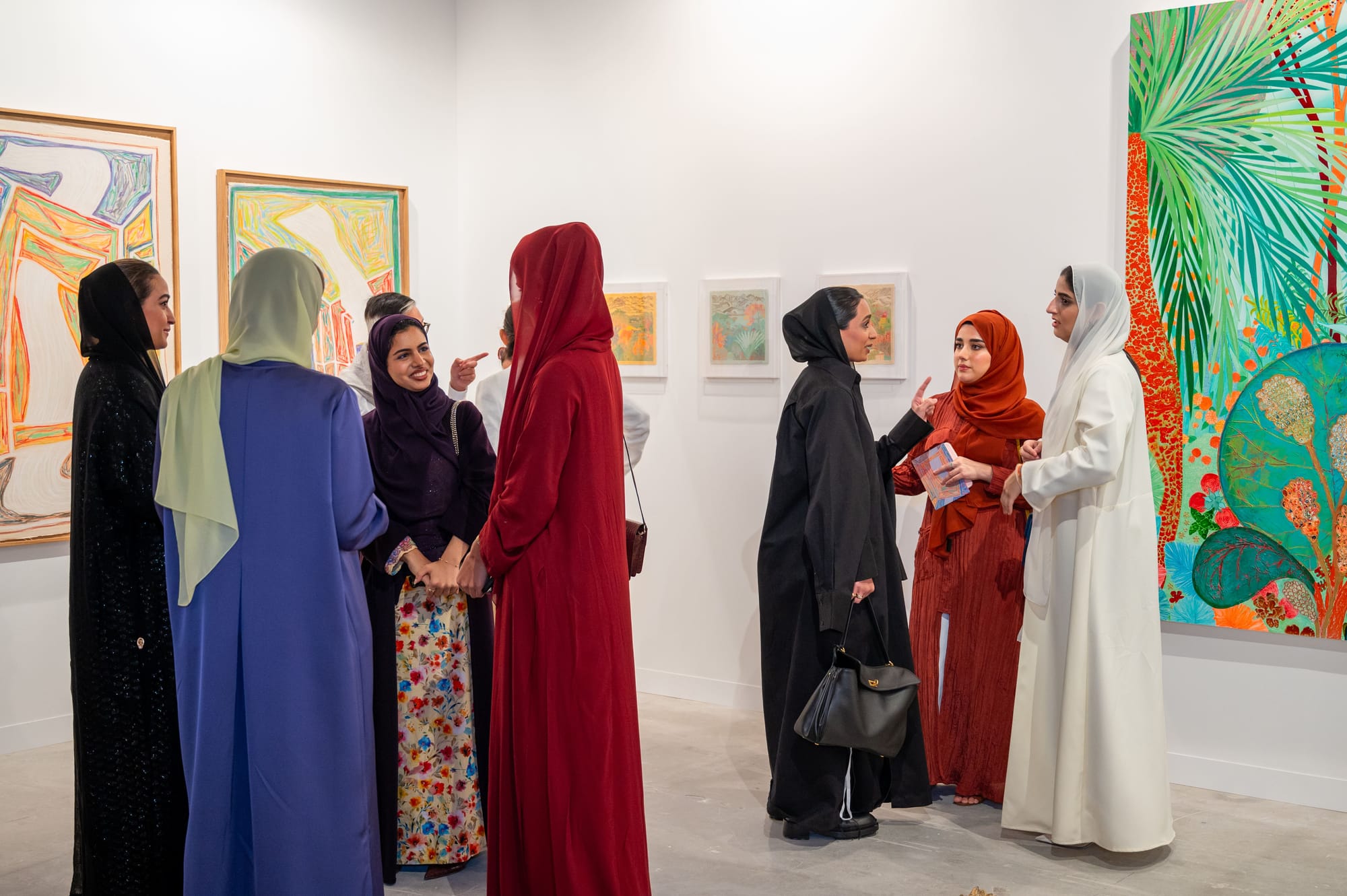
“Unlike permanent institutions such as museums, which centre on cultural preservation and education, events like Abu Dhabi Art foster global engagement and visibility through the marketplace,” Abu Dhabi Art Director Dyala Nusseibeh told The Meridio.
With the event emphasising the inclusion of artists from global majority countries, it also plays an essential role in amplifying under-represented voices.
“This approach not only enriches the cultural fabric of the event but also attracts new audiences from various geographies, further elevating Abu Dhabi’s standing within the international arts scene,” Nusseibeh added.
In parallel, Abu Dhabi Art is entering a new chapter. Under a partnership between the Department of Culture and Tourism – Abu Dhabi and global fair organiser Frieze, the fair will be rebranded as Frieze Abu Dhabi from 2026, marking Frieze’s first edition in the Middle East.
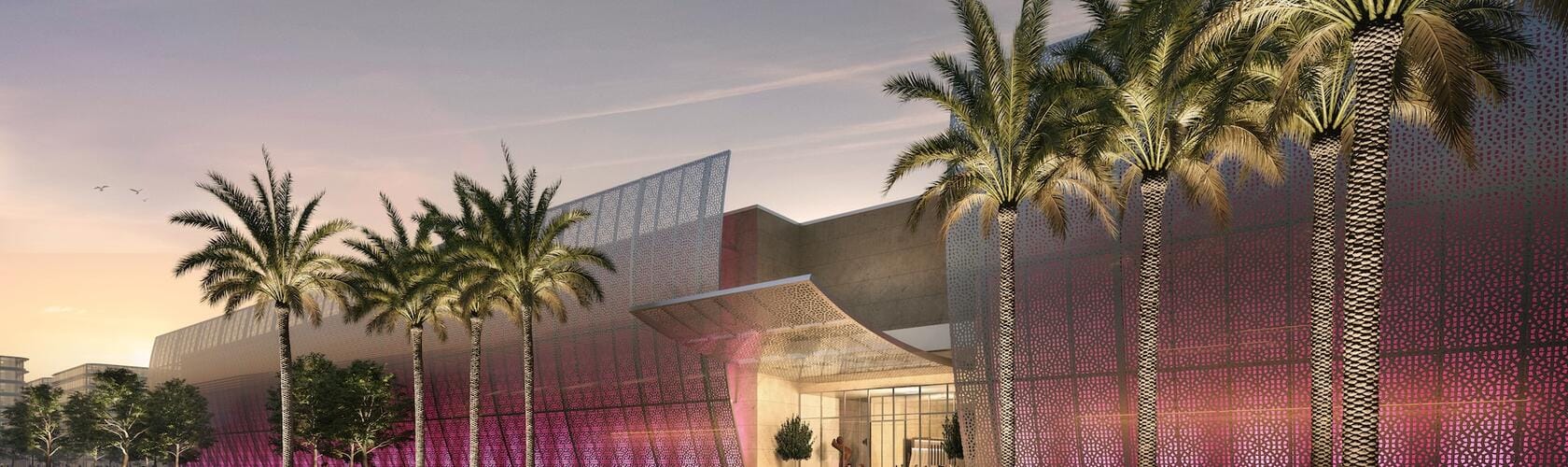
New fairs are further enriching the calendar.
In November 2025, the itinerant collectible design fair NOMAD held its inaugural Abu Dhabi edition, transforming the decommissioned Terminal 1 at Zayed International Airport into a curated showcase of collectible design, contemporary art, and high jewellery. Organised in partnership with the Department of Culture and Tourism – Abu Dhabi, the fair brought together leading galleries, design studios, and luxury houses in a modernist landmark of Arabian modernism.
By coinciding with Abu Dhabi Art and the citywide light-art exhibition Manar, NOMAD Abu Dhabi underscored the emirate’s ambitions not only in visual arts but also in architecture, design, and craft — areas that are increasingly relevant to luxury, hospitality, and high-end retail.
Why this matters
According to Future Market Insights, the cultural tourism market is projected to grow at a compound annual growth rate of 8.1% between 2025 and 2035, as global travellers seek historical sites, art galleries, and experiences rooted in local traditions.
This opens doors for luxury players to tap into Abu Dhabi’s robust tourism growth through cultural partnerships. Cartier, for instance, showcased an exhibition at Louvre Abu Dhabi in 2023 exploring the impact of Islamic art on its designs, while Prada brought its multisensory Prada Mode experience to Mina Zayed in February 2025 with art, music, food, and performances.
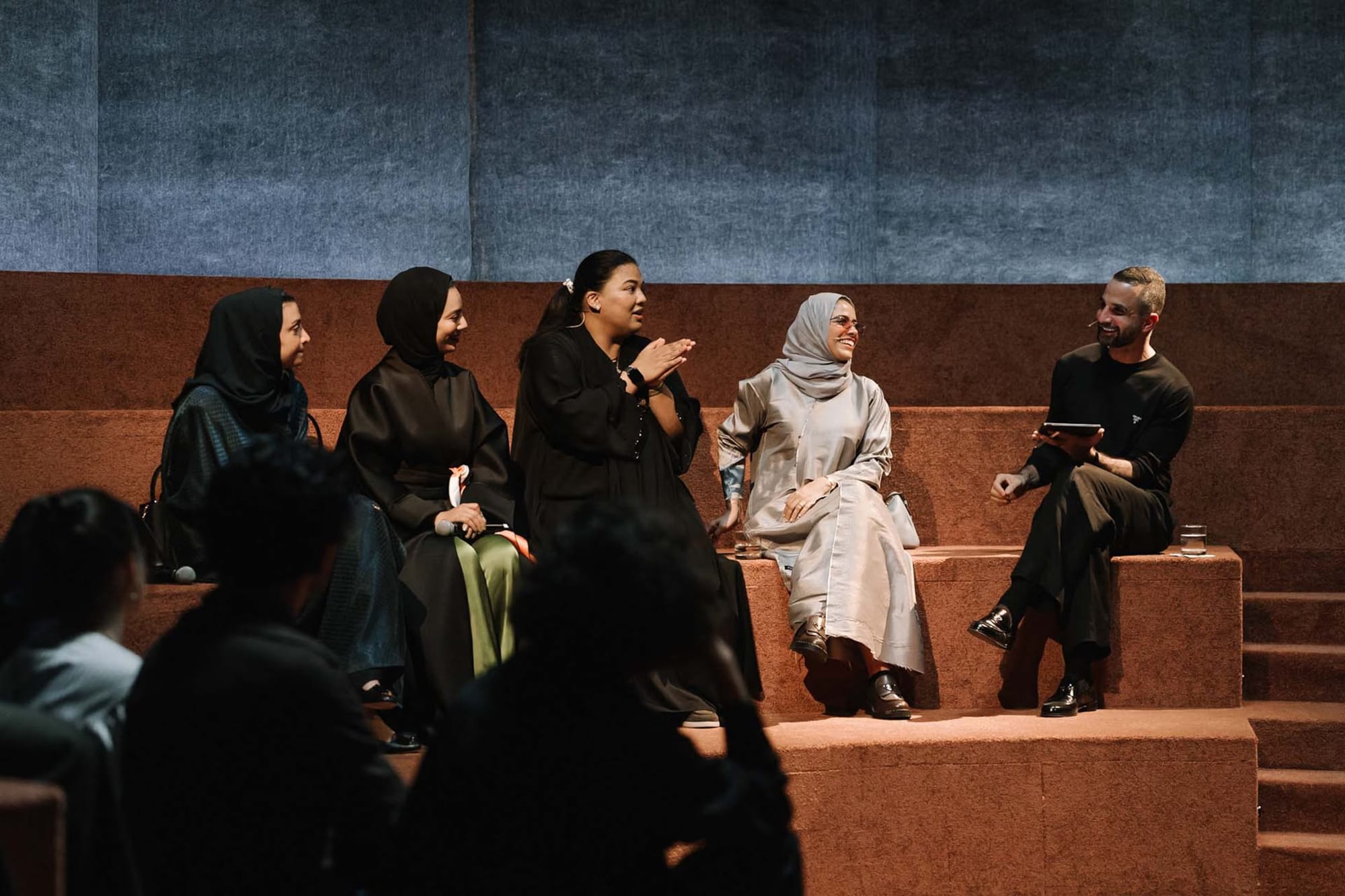
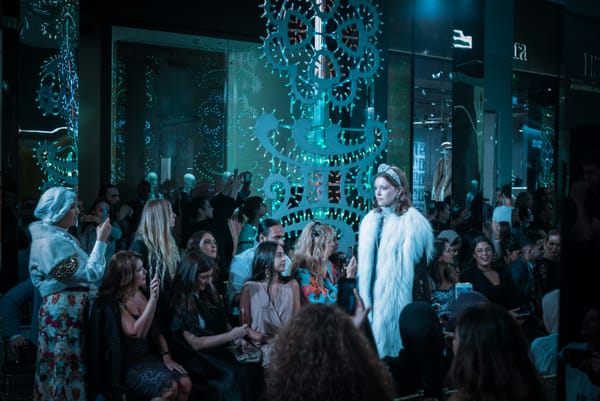
As Abu Dhabi Art evolves into Frieze Abu Dhabi and NOMAD Abu Dhabi establishes itself as a landmark event for collectible design, the city is building a dense ecosystem of museums, fairs, and festivals that speaks directly to high-net-worth travellers and culturally curious audiences. For luxury brands, this means more opportunities to stage site-specific commissions, host high-impact client events, and experiment with immersive formats that blur the lines between exhibition, retail, and hospitality.
More than tourism, Abu Dhabi’s transformation is about shifting the balance — redirecting dialogue, money, and talent toward the Middle East. While Abu Dhabi may not become the next Paris overnight, it’s certainly shaping up to be a strong art capital contender.
Written by