KEY TAKEAWAYS
- Cultural landmark collaborations signal long-horizon credibility rather than short-term marketing campaigns.
- Hospitality partnerships must align on-the-ground experience with digital storytelling to drive repeat visits.
- Familiarity drives investment: cultural perception converts to advocacy before capital commits.
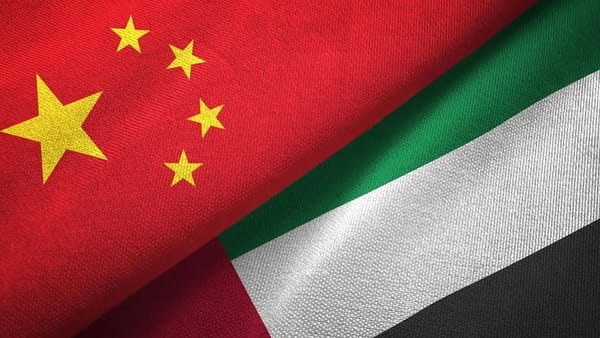
Chinese New Year carries two energies at once: reflection and momentum. It's when families gather, but also when travel plans take shape. This duality captures something essential about the China-UAE relationship. The infrastructure is already there—trade corridors, capital flows, diplomatic partnerships.
And increasingly, so is the cultural layer: a growing rhythm of exhibitions, brand collaborations, cuisine, sport, and creative exchange that turns macro ties into something people can feel. The opportunity now is to deepen and connect these touchpoints: building more consistent, recognisable cultural "bridges" that create familiarity at scale, and make the relationship not only functional, but genuinely resonant.
From Stopover to Destination
Chinese tourists represent a rapidly growing segment visiting the UAE, with strong year-on-year rebounds since COVID. Aldar reports that Chinese and Hong Kong buyers accounted for AED 1.5 billion of its UAE development sales in 2024, a more than 30-fold increase from 2022. The UAE Ministry of Economy reports that there are 15,500 Chinese businesses operating in the Emirates as of September 2024, while the Dubai Multi Commodities Centre now hosts more than 1,000 Chinese companies.
The opportunity is clear. Attention, however, is crowded. Moving from curiosity to commitment requires creative collaborations that make the UAE feel emotionally familiar and personally rewarding to Chinese travellers, creators, and investors.
Understanding the Audience
For UAE brands and institutions, "China" is not one audience.
Among affluent, globally mobile segments, three mindset drivers matter most: story and symbolism (destinations narrated through heritage, innovation, or cultural fusion); status with substance (contemporary and forward-looking, not merely luxurious); and trust and familiarity (especially for investors evaluating rule of law, safety, and business environments alongside returns).
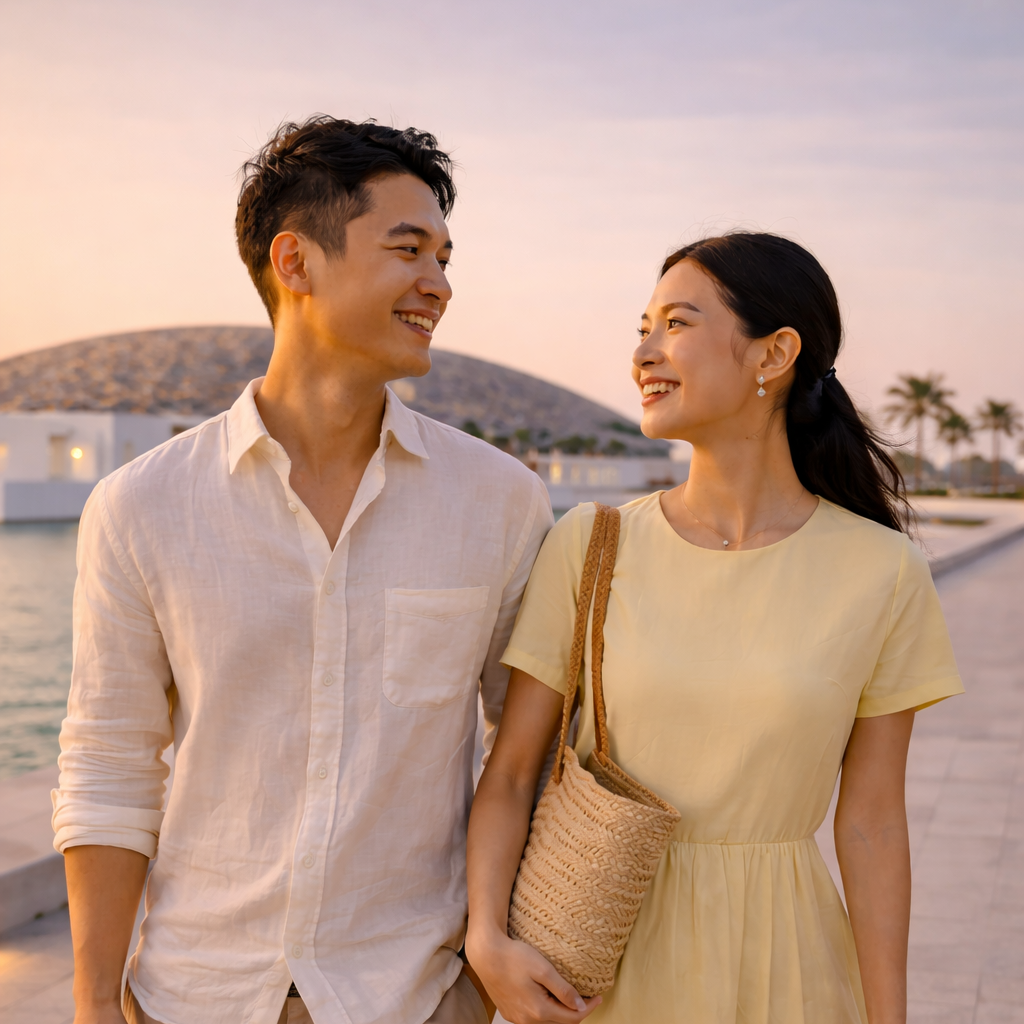
The UAE scores highly on connectivity and lifestyle. What many Chinese audiences experience, however, are fragmented touchpoints rather than a coherent cultural narrative that makes Abu Dhabi and Dubai feel consistently close.
Five Collaboration Archetypes
Creative collaborations sit at the intersection of culture, commerce, and community. The opportunity is to organise them into five strategic archetypes that can be repeated, scaled, and measured.
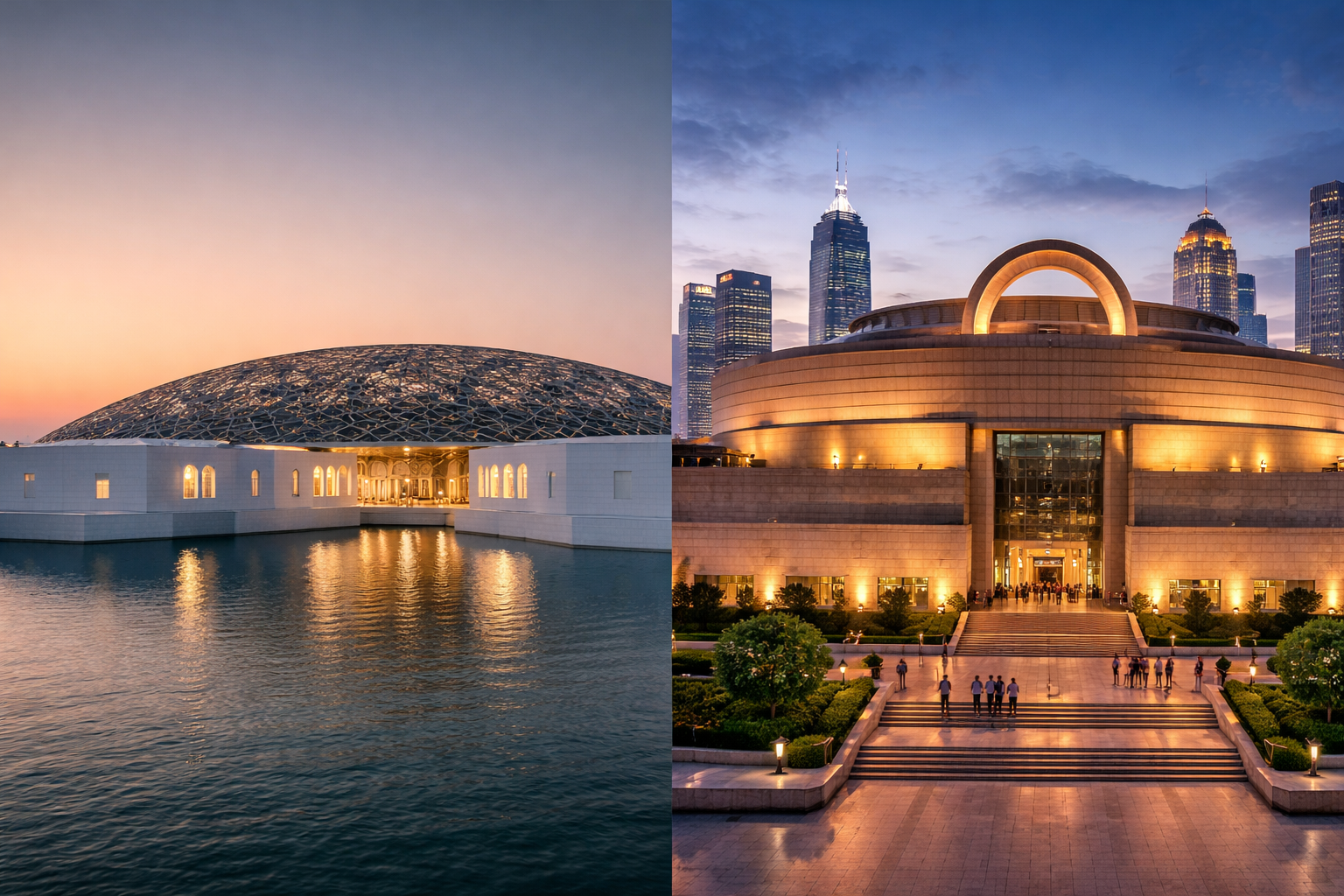
Cultural landmark collaborations include partnerships between flagship institutions and festivals: mirror exhibitions staged in both regions, signature China Year programmes aligned with key travel periods, and festival twins that pair Abu Dhabi events with Chinese counterparts. When Chinese audiences see familiar institutions alongside those in the UAE, they perceive genuine relationships, not marketing stunts.
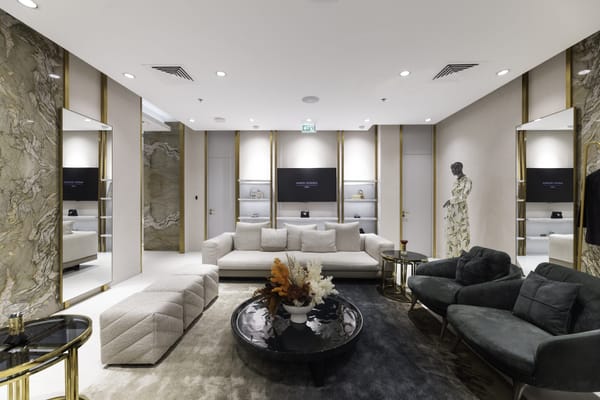
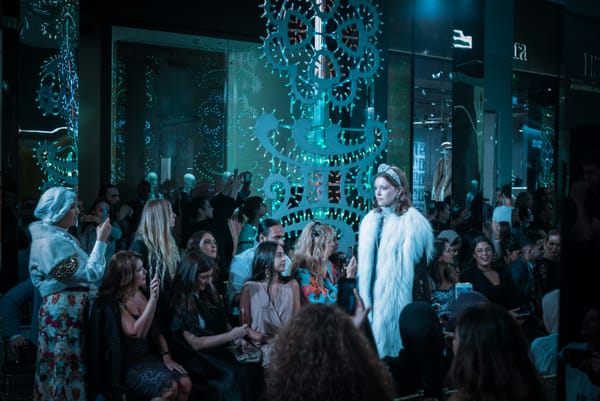
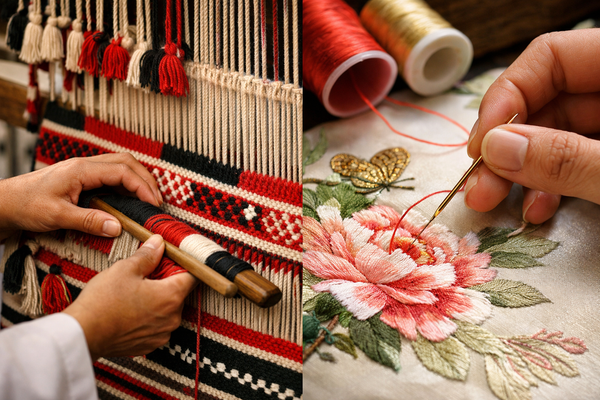
Brand and designer collaborations involve co-created products and experiences that link UAE destinations with Chinese brands, including capsule collections inspired by Gulf modernism, co-branded flagships, and cross-border retail experiences with reciprocal exposure. These are highly visual, communicate easily on Chinese social platforms, and make UAE places feel stylistically relevant to younger travellers.
IP and content collaborations involve co-created stories designed for Chinese platforms: short-form content franchises featuring Chinese creators exploring Abu Dhabi; narrative IP, such as graphic novels set between Shanghai and the Emirates; and interactive experiences linking pre-trip engagement to on-the-ground rewards. Owning and co-creating IP that travels allows the UAE to move beyond campaigns into culturally embedded storytelling.
Hospitality and lifestyle partnerships translate cultural understanding into hospitality details, co-designed with Chinese partners: curated itineraries focused on art and wellness, F&B collaborations blending Gulf and regional Chinese cuisines, and sports bridges that link Chinese communities to UAE destinations. These ensure that on-the-ground experience matches the storytelling promise.
Education and innovation bridges represent longer-horizon collaborations between universities, design schools, and innovation hubs: design residencies for Chinese creatives, joint studios focused on future cities or sustainability, talent pipelines for Chinese students in hospitality and culture. These signals indicate long-term intent and create trusted networks invaluable for later investment.
The Soft-Power Funnel
Creative collaborations form a soft-power funnel that converts perception into visitation and visitation into investment. As familiarity and trust grow, so does interest in property, company formation, and long-term investment.
Culture opens the door. Experience keeps people in the room. Capital moves in once they feel at home.
A Practical Playbook
UAE stakeholders should start with three questions: how well known are we in China, and to whom? What do we uniquely own—architecture, landscape, collections, narratives? Who are natural partners in China who share our values and audiences?
Not every stakeholder needs all five archetypes. A cultural institution might lean into collaborations with cultural landmarks and IP. A mixed-use destination might prioritise brand and hospitality partnerships. An innovation district might focus on education and talent bridges. Pick one or two, pilot them well, then scale.
Effective collaborations require localisation co-created with Chinese partners, platform fluency for WeChat and Douyin, and measurable outcomes from visitor numbers to investment leads.
Soft power compounding takes time. The most effective strategies build recurring formats, layer flagship moments on consistent activity, and deepen ecosystems on both sides. Think in 3-to-5-year horizons.
From Vision to Velocity
China and the UAE are already connected by logistics, diplomacy, and growing cultural exchange. The next step is to systematise this connection. The five archetypes explored here answer the same question in different ways: how do we make the UAE feel emotionally close and practically compelling to Chinese audiences at scale?
Done well, creative collaborations become more than campaigns. They translate abstract values into experiences, turn physical assets into living platforms for culture, and build trust that makes it easier for travellers to book a first trip and for investors to take a long-term view.
The most powerful bridges between these two regions will be built by culture, creativity, and people, supported by smart strategy and aligned capital. The question now is who will move first, and with enough imagination and momentum to shape the next decade of China-UAE relations.
Written by