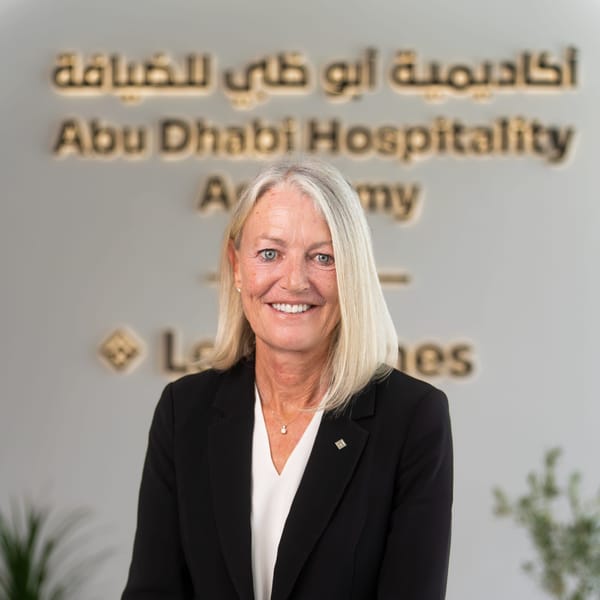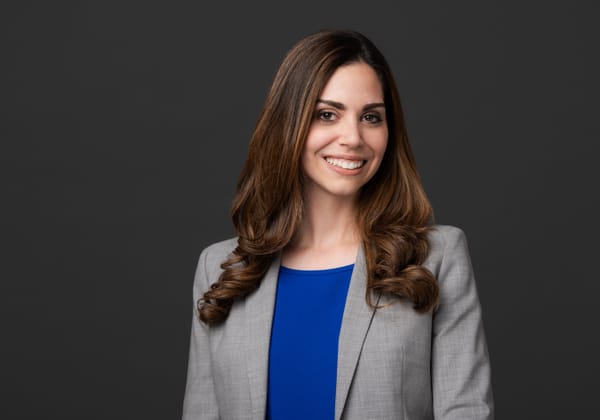
We sat down with Nicola Turner to hear how her work across consumer markets and human resources has shaped her perspective on leadership in the Gulf. As Principal at Heidrick & Struggles' Dubai office, she focuses on executive search for CEO, president and C-suite roles, alongside leadership assessment and succession planning. Turner shares her views on where talent gaps are most acute, why high performers leave, and the capabilities leaders must cultivate now to thrive in 2027–2028.
From your vantage point, what's the biggest shift you've seen in Gulf hiring over the last 12–24 months?
Hiring these days is based considerably on quality, leadership depth and the ability to execute seamlessly. Boards and CEOs are asking sharper questions — not just "Can this leader grow and scale the operation?" but "Can they institutionalise, transfer capability and lead through complexity?"
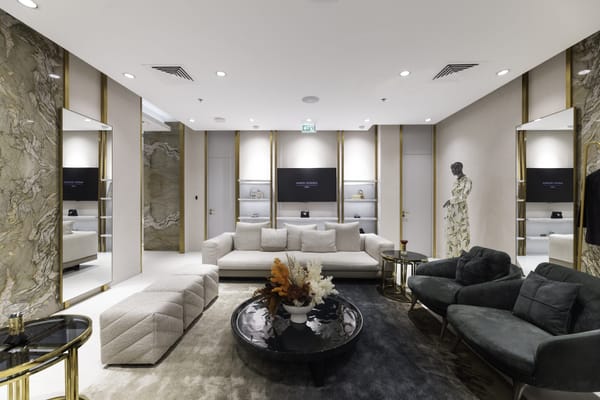
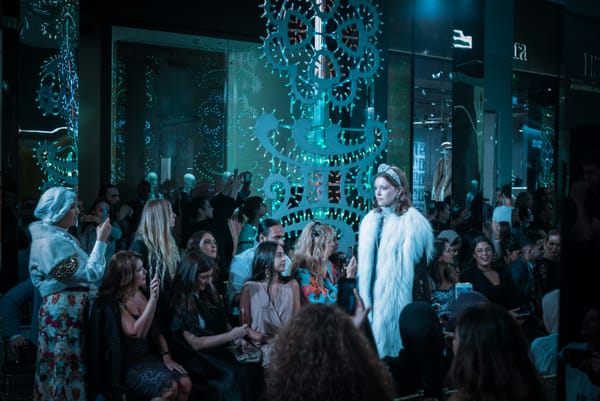
If we look at the luxury space, the shift is clear. Where luxury once signalled opulence and visibility, it's now increasingly defined by meaning, discretion and emotional resonance. For leaders, this requires a fundamentally different skill set. Experience can't sit with marketing or operations in isolation; it must be architected across the entire organisation.
The strongest luxury leaders today think in systems: how design, service, digital touchpoints, talent behaviours and storytelling come together to create a coherent emotional journey.
Is the market facing a true "talent shortage," or more of a skills and leadership mismatch? And where is the gap most acute?
I wouldn't describe this as a talent shortage. The GCC is full of strong talent. The challenge is finding leaders who bring the right combination of experience for where businesses are today. Many executives have deep strengths — operational, strategical or commercial — but today's roles increasingly demand that these capabilities coexist.
Leaders are expected to balance execution with vision, manage complex stakeholder environments, drive ongoing transformation and lead diverse, fast-scaling teams, all at once.
Which sectors are pulling hardest on senior talent right now, and what's driving that demand?
Hospitality, luxury, tourism and lifestyle are leading the pull on senior talent. This is being fuelled by the Gulf's ambition to position itself as a world-class destination, with growth extending well beyond traditional hotels into luxury experiences, entertainment, culture, F&B and integrated mixed-use developments.
The real challenge is no longer opening assets, but running them well at scale. Organisations are looking for leaders who can deliver consistently high-quality, differentiated experiences day in and day out.
As a result, demand is strongest for seasoned general managers, commercially astute leaders and operators who genuinely understand how to translate brand promise into lived experience.
In luxury, premium and hospitality, which leadership capabilities matter most here? And what do brands often underestimate?
One area that comes to mind is that end-to-end mastery must be engrained. Leaders must think horizontally across product, service, environment, digital and aftercare. "Micro-moments" that guests remember — arrival, first touch, goodbye — are very important.
What's underestimated is how siloed or fragmented internal ownership destroys the experience. Guests don't see departments; they experience one brand. When teams operate in silos, that continuity is lost, and perceived luxury suffers.
"Local talent" is top of mind across the region. What does it mean in practice, and what does credible capability-building look like?
Luxury consumers in the Middle East are starting to prioritise experiences that are authentic to their culture and geography. In response, luxury brands have shifted their focus from merely selling global products to curating experiences that are locally relevant and authentic.
We're seeing more partnerships with regional creatives to incorporate elements of Middle Eastern culture within products and design, whether that's traditional patterns, calligraphy or flavours.
This culture-first shift has clear implications for talent. Organisations are increasingly investing in local hires with deep cultural fluency.
Fuelled by initiatives like Emiratisation and Saudisation, companies are building locally staffed teams with an intimate understanding of the cultural and emotional nuances that matter to the region’s luxury consumers.
At the same time, globalisation demands that talent possess strong global acumen to meet the expectations of an increasingly interconnected world. In the Middle East in particular, travel spending is projected to rise by 50% by 2030 due to a surge in international tourism. As a result, brands are expected to prioritise catering to diverse global audiences.
Why do high performers leave, and what are the most effective retention levers you're seeing beyond compensation?
High performers leave for a few common reasons: unclear career paths, limited development opportunities or misaligned culture and leadership.
From conversations with leaders in the region, the most effective retention levers are both cultural and developmental. Compensation matters, but it’s rarely sufficient on its own.
High performers, especially senior hires, stay where they feel empowered and supported. This includes having the autonomy to make decisions, a clear sense of purpose aligned with the organisation’s vision, and ongoing investment in upskilling and internal mobility. Leaders play a central role in creating this environment.
When culture, leadership and development reinforce each other, retention becomes a natural outcome rather than something organisations have to chase.
Looking ahead: what capabilities will be most in demand by 2027–2028, and how should leaders start preparing now?
Leaders will need to balance cultural fluency with global acumen — operating across cultures, aligning with international standards, and anticipating the expectations of increasingly diverse customers.
In fact, Heidrick & Struggles’ research shows that half of CEOs in the UAE have cross-border experience, highlighting the demand for leaders who possess a global lens.
To prepare for this shift, leaders should proactively broaden their exposure beyond their home markets through seeking cross-border and cross-cultural immersion opportunities, building diverse teams and developing the judgment to navigate cultural complexity whilst maintaining a coherent global vision.
At the organisational level, investing in development, mobility and succession pathways that deliberately cultivate such capabilities will be key. Ultimately, leaders that will thrive in the years ahead will be those who stay grounded in local realities whilst confidently leading in a global, fast-evolving environment.
ABOUT NICOLA TURNER
Nicola Turner is a Principal in Heidrick & Struggles' Dubai office, where she focuses on the Consumer Markets Practice, with particular expertise across the retail, luxury and beauty sectors. She also leads the firm's Human Resources Officers Practice across Asia Pacific and the Middle East. Turner partners with a broad range of clients, from global multinationals to family-owned enterprises. Her work spans executive search for CEO, president and C-suite roles, alongside leadership assessment, leadership development and succession planning engagements.
Turner is ACP-accredited in coaching and certified in multiple leadership and psychometric assessment tools, including Level A and P (British Psychological Society), Saville Consulting Wave, Hogan and Lumina Learning. She has authored more than 20 articles for regional and global business publications. Turner holds an M.S. in Organisational Psychology from the London School of Economics and a B.S. in Psychology from the University of London.
Written by