Key Takeaways
- Affluent GCC shoppers value alignment alongside access through intimate salons built around trust.
- Majlis-inspired design principles prioritise privacy, prayer-aware scheduling, and bilingual service rituals.
- Family-centric clienteling and discreet brokerage convert belonging into sustained advocacy.
Private members clubs and VIP programmes across the Gulf are evolving into something more refined: intimate shopping salons where purchasing emerges naturally from hospitality, trust, and cultural fluency.
In a region where the majlis sets the standard for relationship-building and decision-making, these spaces represent less about exclusivity and more about precision: who gathers, why they gather, and what value they leave with.
From Access to Alignment
For years, "VIP" meant early product drops and closed-door previews. Today, affluent GCC clients seek something different: alignment over access.
They value experiences that honour modesty, family dynamics, and time. The most effective private shopping events feel like curated communities: small gatherings of 5 to 12 households around shared interests such as investment jewellery, collectable timepieces, or contemporary design, hosted in rooms that function like refined majlis spaces. When the context is right, purchase decisions follow naturally.
The shift requires trading spectacle for stewardship. Heritage, provenance, and aftercare matter as much as the object itself. Mass events give way to intimate salons built around clear themes and outcomes, where the experience carries as much weight as the transaction.
Trust Accelerates Decisions
Affluent shoppers in the Gulf move through trusted networks: family members, siblings, spouses, private office advisers, and long-standing sales associates. Public events can feel extractive; salons reduce friction and increase discretion. With vetted rooms, controlled photography, and thoughtful introductions, brands gain the confidence to show rarities whilst clients gain the privacy to decide.
These environments reveal insights that mass retail cannot capture. Brands learn who influences whom within families and which aesthetics resonate locally: materials, colour tones, and abaya-friendly tailoring for women. They also discover where post-purchase services such as customisation, documentation, and inheritance planning will matter most.
Majlis Logic Meets Modern Retail
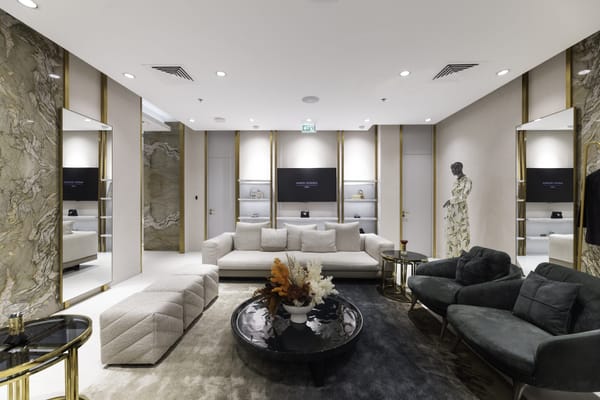
The design principles begin with hospitality, then layer commercial precision. Seating should encourage conversation, not crowding. Service must be bicultural: Arabic-led greetings paired with global product expertise.
Hosting like a home remains fundamental. Conversational clusters, tea, coffee, and light courses support unhurried browsing. Privacy comes by design: discreet entry, guest-first valet service, clear mobile phone and photography etiquette, and private fitting rooms. Scheduling respects prayer times; during Ramadan, evening majlis programmes adopt quieter tones.
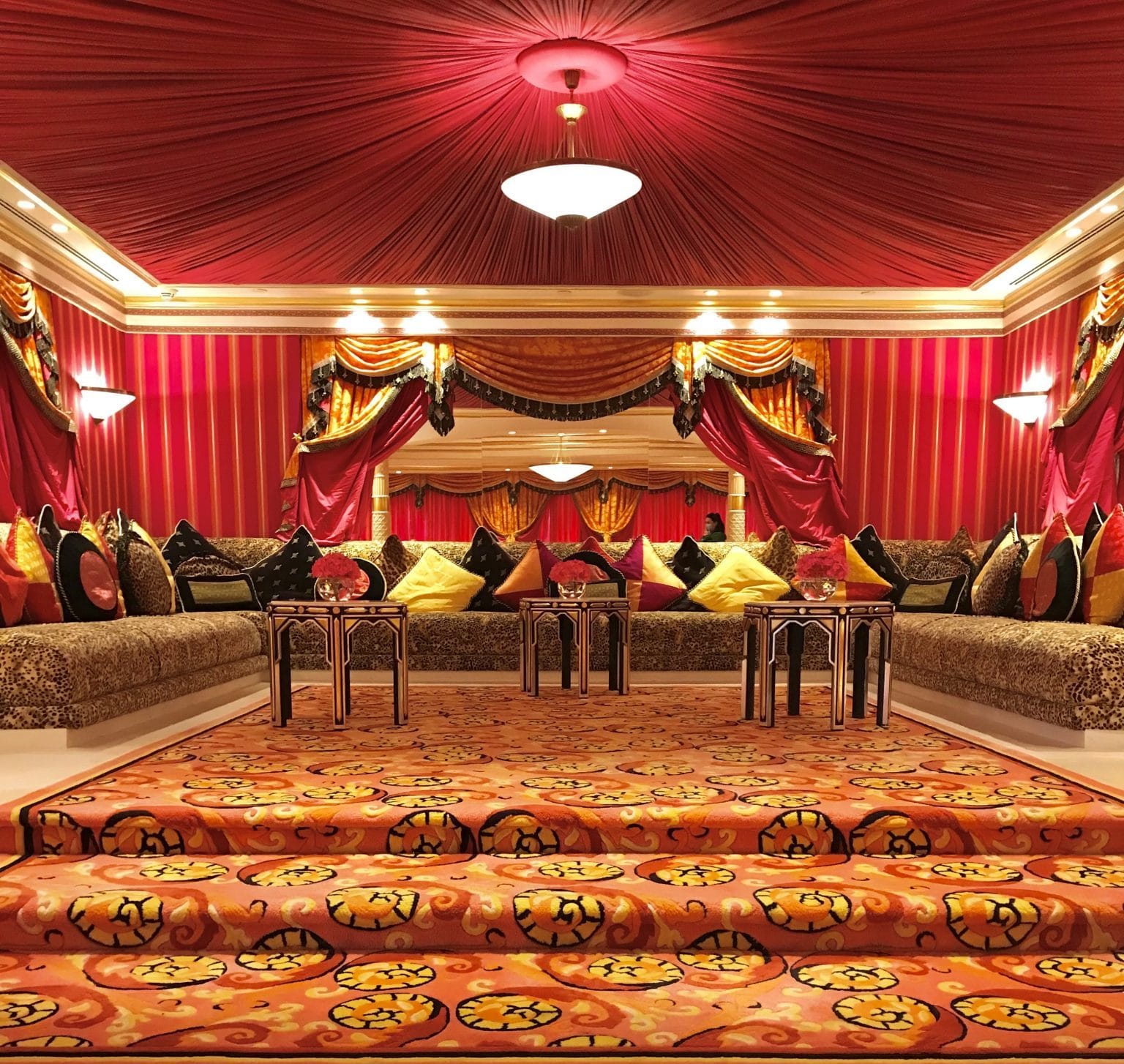
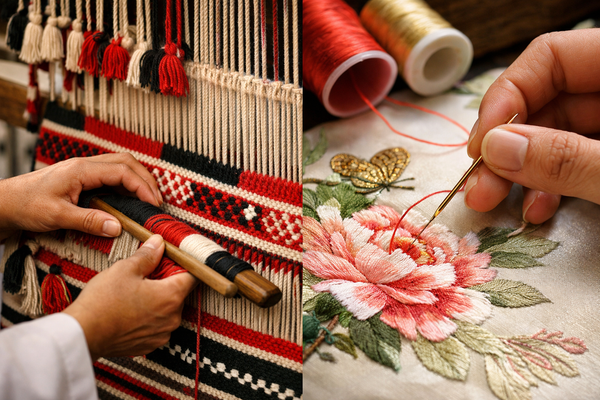
Local aesthetics matter, but cliché does not. Regional artisans, restrained scent and soundscape, and materials that speak softly create resonance without pastiche. Bilingual service observes honorifics and family protocol; documentation appears in both Arabic and English.
Programming That Adds Value
Salons should inform, personalise, and, when appropriate, broker discreet trade. This is where belonging turns into momentum.
Collection presentations run 15 to 20 minutes and offer context: provenance in the Islamic world, the engineering behind modesty-friendly couture, and secondary-market dynamics.
Customisation happens on-site—monogramming, strap swaps, clasp adjustments, abaya-safe pinning—so guests leave with something that already feels theirs.
Discreet brokerage provides quiet consultations for watch trades, vintage handbags, or collectable design, managed by specialists who understand valuation and confidentiality. Programming also spotlights regional makers and philanthropic partners, framing luxury as stewardship rather than spectacle.
Service Rituals That Convert Loyalty
The follow-through differentiates. Clienteling must be family-centric and respectful of boundaries.
Family profiles replace files: sizes, preferences, important dates across the household, kept secure and used sparingly. Gifting demonstrates cultural literacy: Eid, graduation, and home-opening options with bilingual cards, including a "gift rehearsal" to choose wrapping and presentation.
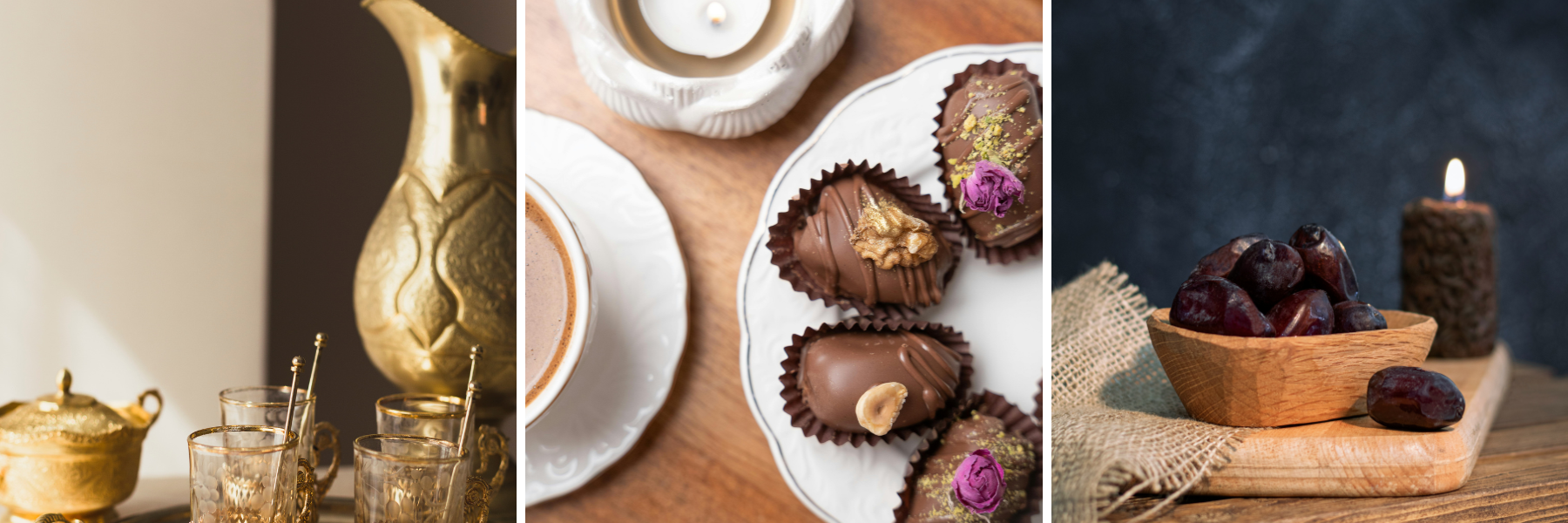
Aftercare functions as heritage: certificates in Arabic and English, climate-appropriate storage guidance, and at-home pick-up for cleaning or repair.
In the GCC, the future of luxury retail is quieter and smarter. Private shopping salons that respect majlis culture, honour privacy, and create purposeful gatherings will outperform splashy campaigns. Belonging becomes the competitive advantage, and the sale, its most visible proof.
Written by