KEY TAKEAWAYS
- UAE consumers no longer shop for validation: they curate for self-expression
- Government programmes like ADIO's Luxury Accelerator and design infrastructure through DCAD systematically support emerging brands
- Win through curation, not distribution: concept stores and cultural retail outperform mass channels
A decade ago, "luxury in the UAE" was shorthand for scale: flagship malls, marquee maisons, and retail theatre designed to impress. That era hasn’t disappeared. Dubai and Abu Dhabi remain among the world’s most important luxury crossroads, but the centre of gravity has shifted. Today, the UAE consumer isn't just affluent — they are informed, well-travelled, and increasingly intentional.
The new status signal isn't simply having access to luxury. It's curating it.
From Spectacle to Sophistication
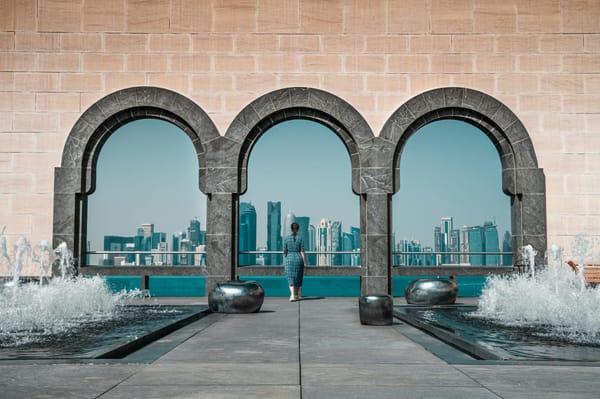
Dubai built one of the world's most formidable luxury retail ecosystems: unmatched footfall, a global travel hub, and a tax environment that keeps the city highly competitive for international shoppers. The scale is real: Dubai welcomed nearly 19 million international overnight visitors in 2024, a record year.
Abu Dhabi, meanwhile, has been steadily crafting a different kind of luxury proposition: cultural gravity, institutional investment, and a hospitality-led, more private luxury rhythm. The emirate's tourism growth continues to accelerate, with 1.4 million overnight guests in Q1 2025 reported by Abu Dhabi's Media Office, reflecting sustained momentum and diversified source markets.
Layer onto this a significant inflow of wealth: the UAE is projected to be one of the top global destinations for net millionaire inflows. That isn't just an economic data point: it changes the texture of demand. New residents arrive with global reference points and a desire to build a life that reflects who they are.
So whilst the big brands remain anchors, the growth frontier is increasingly in curation: the brands that feel discovered, the pieces that feel collected, the experiences that feel made-for-you.
This shift from spectacle to sophistication isn't abstract. It rests on five structural tailwinds that make the UAE uniquely fertile ground for niche luxury right now.
1. A More Discerning Consumer is Driving the Shift from Logos to Identity
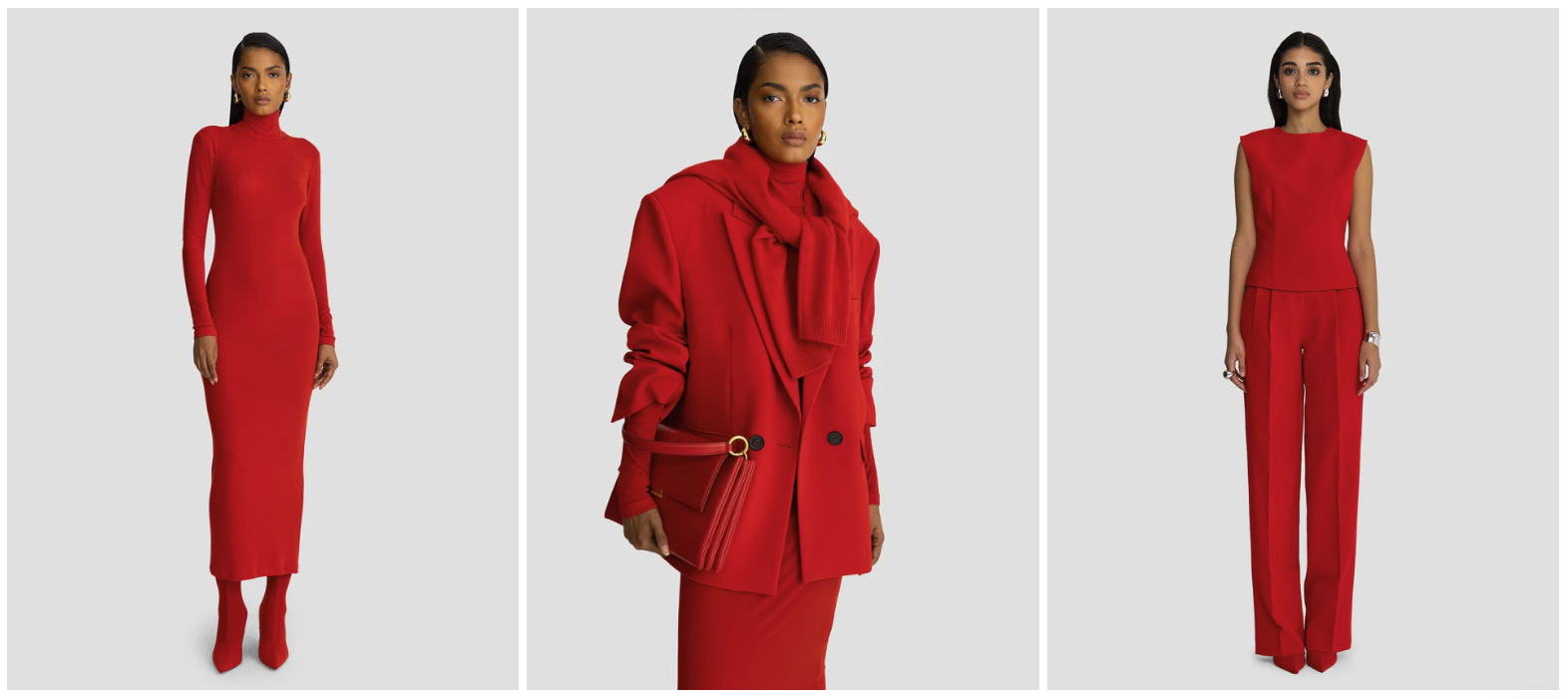
The UAE luxury consumer has evolved fast. Many have spent years buying the classics and now want the interesting edge: the artisanal bag no one else has, the fragrance house with obsessive raw materials, the tailoring that looks effortless but is quietly perfect.
This isn't only about "quiet luxury" as a trend; it's about confidence. When a customer no longer needs external validation, they start shopping for self-expression. Niche brands are built to satisfy that desire. They can speak in a more intimate voice, offer deeper product education, and build genuine communities around taste.
2. The UAE is a Test-and-Learn Playground for the World's Best Retail and Hospitality
Few markets evolve as quickly as the UAE. Retail landlords and hospitality groups here understand that experiences drive loyalty, and that newness is a magnet.
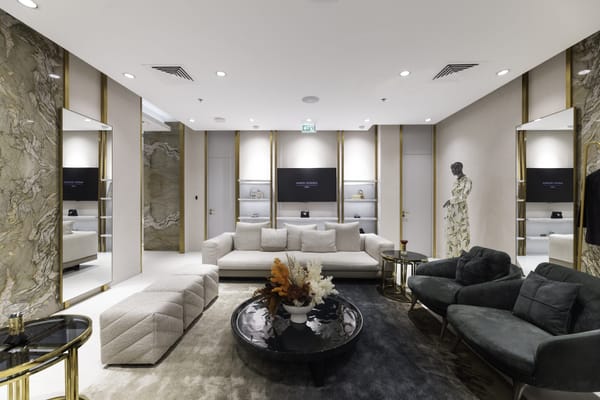
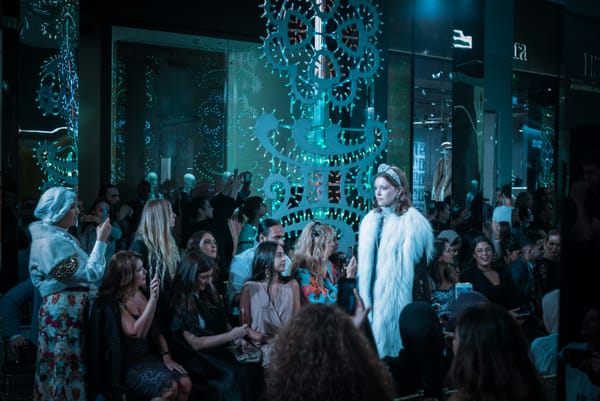
Niche brands perform disproportionately well in the right environments: curated concept stores, hotel boutiques, museum retail, trunk shows, limited drops, and brand-in-residence moments.
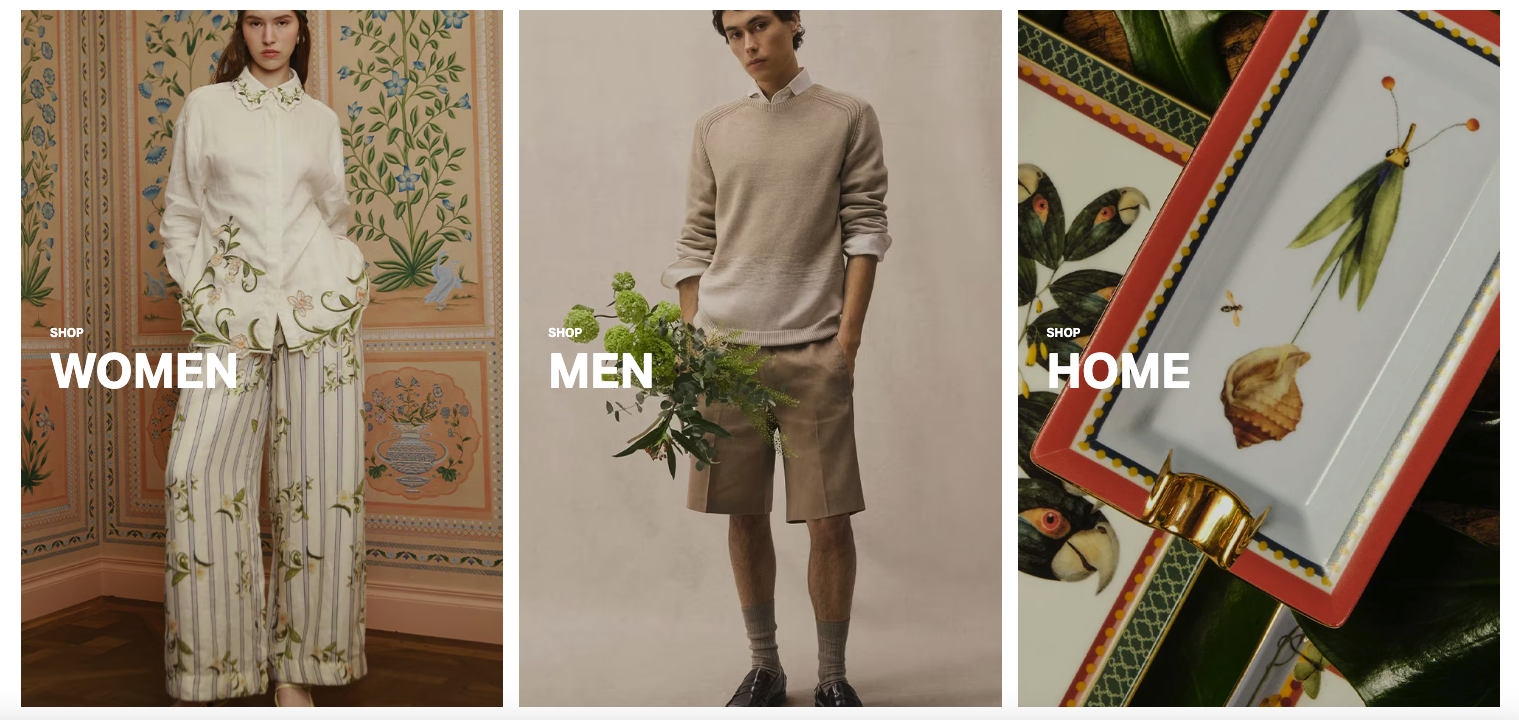
A homegrown platform like THAT Concept Store explicitly positions itself as a destination for discovery, blending emerging and established labels under one roof—exactly the kind of channel where niche brands can find their people quickly.
In other words: the ecosystem is built to stage brands, not just stock them.
3. Global Footfall and Affluent Migration Create a Rare Density of Right Customer
The UAE isn't one market. It is a concentration of many markets at once: Emirati nationals, long-term expatriate residents, regional visitors, and global tourists. The result is a density of high-spending audiences that's hard to replicate elsewhere.
Dubai's visitor numbers speak for themselves, and the city continues to show strong momentum. Meanwhile, the broader wealth influx is reshaping demand across both Dubai and Abu Dhabi.
For niche brands, this matters because you don't need mass: you need concentration. The UAE offers that in a way few markets do.
4. Government-Backed Platforms are Actively Courting Premium and Emerging Luxury
This is one of the most under-appreciated tailwinds: the UAE isn't only a consumer market, it is positioning itself as a home for premium and luxury brands.
Abu Dhabi's ADIO Luxury Accelerator Programme is an explicit signal of intent: it is designed to support luxury and premium brands at the point of global expansion, helping them build presence and scale from Abu Dhabi.
When a government investment office builds a luxury accelerator, it's saying something strategic: we want the next generation of brands to grow here, not just sell here. For founders, that can translate into practical market-entry support, ecosystem access, and a faster route to the right partnerships.
5. Abu Dhabi is Investing in Design as Economic Infrastructure
Niche brands don't thrive in a vacuum. They need creative talent, design culture, makers, photographers, stylists, retail thinkers. They need an ecosystem that raises the bar.
That is why the Design Commission Abu Dhabi (DCAD) matters. Launched under the chairwomanship of Sheikha Shamsa bint Hamdan bin Mohammed Al Nahyan, DCAD is positioned as part of Abu Dhabi's long-term commitment to embed creativity and design into economic diversification.

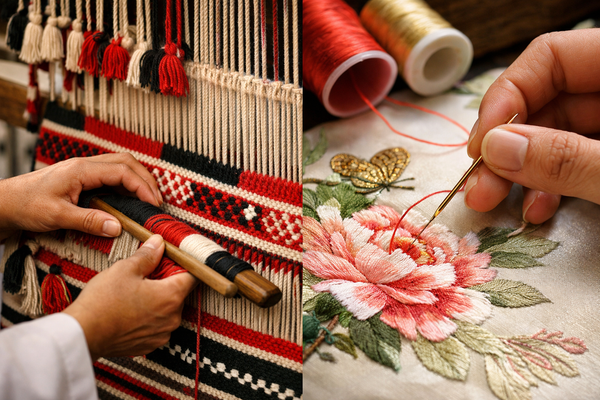
You can already see that intent through partnerships such as DCAD's ceramics and pottery residency with Ginori 1735, which brings world-class Italian porcelain expertise into Abu Dhabi via masterclasses and hands-on training, helping local talent build globally relevant skills whilst strengthening the emirate's design-led industrial base.
For niche brands, especially those that sit at the intersection of craft, culture and modernity, this is oxygen. A stronger design ecosystem means better collaborations, better storytelling, and more reason to buy for consumers who increasingly care about origin, process and intellectual property.
What Niche Brands Should Do Next
Opportunity is not the same as inevitability.
To win here as a niche brand, execute with precision. Lead with your point of view. The UAE customer doesn’t need another generic premium claim. They want to know why you exist: craft, heritage, utility, obsession, or design philosophy.
Build through curation, not just distribution. Start where discovery is already happening: concept stores, cultural retail, hotel partnerships, and high-touch community moments. Treat storytelling as a service.
Make product education part of the luxury experience, especially for niche. Materials, provenance, and process matter.
Design for a climate and a calendar. Capsule drops aligned to travel seasons, cultural moments, and the UAE’s events calendar can outperform standard global merchandising.
Think UAE first, then region. Use the UAE as a launchpad. Prove resonance here, then scale outward with confidence.
The Bottom Line
The UAE luxury market is no longer defined only by its biggest stores and biggest names. It is increasingly defined by taste—and taste is where niche brands shine. For founder-led, premium, and emerging luxury brands, the message is simple: this is a market that rewards originality. And right now, the UAE is asking for more of it.
Written by