KEY TAKEAWAYS
- Majid Al Futtaim's Ma'an initiative is transforming malls into platforms for homegrown brand-building.
- Abu Dhabi's ADIO Luxury Accelerator signals that luxury is economic infrastructure, not a retail category.
- Seasonal Ramadan campaigns no longer satisfy UAE consumers; cultural fluency is now the entry requirement.
For years, the UAE's luxury story was told in superlatives: the largest malls, the most ambitious retail environments, one of the most international consumer bases anywhere in the world. Access was the defining advantage.
A quieter shift is now underway, and it is changing the terms of the conversation. Across Dubai and Abu Dhabi, the most interesting momentum in luxury is homegrown.
From Global Stage to Local Force
The UAE has long been one of luxury's most important stages — a place where international brands reach a sophisticated, mobile, high-spending audience across its malls, hotels, and cultural destinations.
While that role hasn't diminished, the market is evolving. Increasingly, the question isn't only which global brands are present, but which feel relevant to the moment, the place, and the people.
Across fashion, beauty, design, jewellery, wellness, and lifestyle, homegrown businesses are no longer treated as niche alternatives. They are entering the main luxury conversation, and they are being taken seriously.
The China Parallel
There is a useful comparison with China. For the two decades from 2004, China was viewed primarily as a market for global luxury brands — a destination where international maisons invested, expanded, and built visibility with a rising generation of affluent consumers.
As Chinese consumer confidence matured, something else happened. Local brands began to take centre stage, not because consumers rejected international luxury, but because they increasingly wanted brands that reflected their own culture, values, aesthetics, and contemporary lifestyle.
The UAE may now be entering a similar phase. It remains deeply global, but it is becoming increasingly proud of what it can build at home. The most influential luxury markets eventually do more than consume global taste. They define their own.
Retail groups are becoming platforms for local enterprise
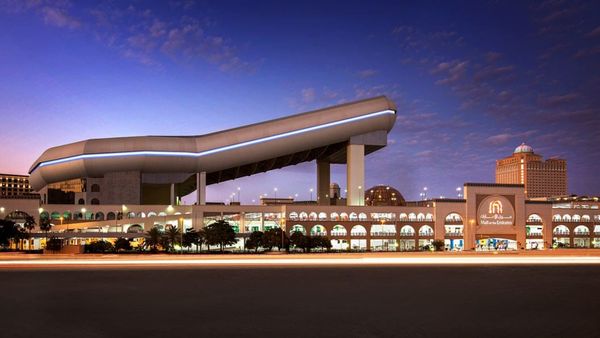
One of the clearest expressions of this shift is the growing institutional support for homegrown brands. Majid Al Futtaim's Ma'an initiative, created in partnership with Dubai SME, opens parts of its retail ecosystem to UAE-based small and medium-sized businesses. Selected entrepreneurs gain access to Mall of the Emirates, THAT Concept Store, social media channels, mall digital screens, media outreach, and influencer partnerships.
This matters because the real barriers for emerging premium and luxury brands are distribution, awareness, and credibility — not creativity. In a market where global names have long dominated prime retail space, Ma'an signals a structural shift in the UAE's approach to retail.
Malls are becoming engines of local brand-building, not just shopping destinations.
Luxury as Economic Infrastructure
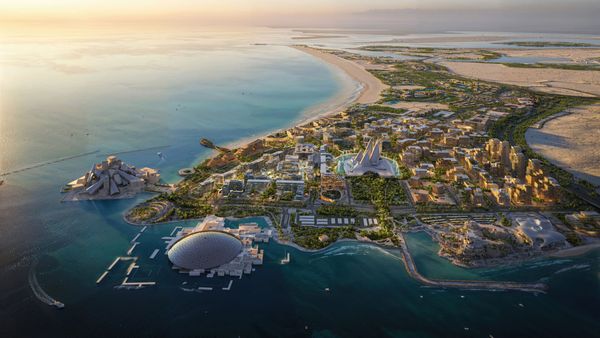
Abu Dhabi is also helping define this next chapter.
The ADIO Luxury Accelerator positions Abu Dhabi as a launchpad for emerging luxury brands looking to expand across the Middle East. When an investment office backs a luxury accelerator, it signals something material: luxury is being understood as part of a wider economic ecosystem — one connected to entrepreneurship, tourism, culture, hospitality, design, real estate, and investment. It isn't viewed simply as a retail operation.
The UAE isn't only hosting global luxury. It is building the conditions for luxury brands to be created, nurtured, and scaled from within.
Design as Cultural Infrastructure
The Design Commission Abu Dhabi adds another layer to this story. Its Emirates Signature: Building Together exhibition brought together creatives, product makers, artisans, and small business owners from across the UAE at Abu Dhabi Equestrian Club. The result was a thoughtfully produced gathering that connected local production, design, storytelling, and enterprise in a single space.
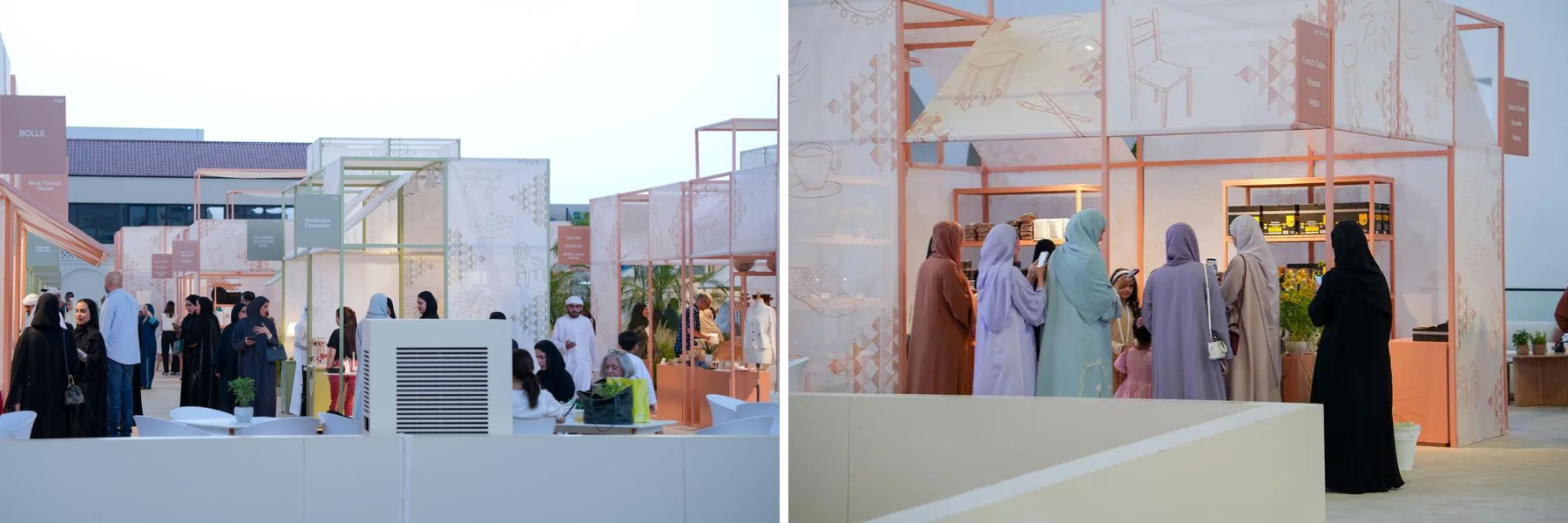
What makes it significant is the way design is being linked to community and national identity. Emirates Signature sits within the Design Commission's broader One Nation. One People initiative, translating unity and belonging into a physical, participatory experience.
The Challenge for International Brands
For global luxury brands, this evolution creates both a challenge and an opportunity — and the distinction will come down to depth.
The old model of localisation — a Ramadan capsule, Arabic calligraphy, an Eid campaign — is no longer adequate. Consumers are more discerning. They can tell the difference between a surface gesture and a genuine understanding of place.
The next phase requires more substantive engagement: working with local creatives, supporting regional talent, and building initiatives that feel genuinely connected to the UAE rather than simply marketed to it.
The UAE luxury consumer still wants excellence, craftsmanship, and status. But they also want relevance — they want to know who made something, what it represents, and whether the brand understands their world.
A More Rooted Future
International brands will continue to matter enormously. The UAE's strength has always been its ability to connect worlds — East and West, local and global, heritage and innovation. That won't change. But the future of luxury here will also be shaped by homegrown founders, local design platforms, government-backed accelerators, and cultural institutions that understand the value of building from within.
Recent regional tensions have sharpened this appetite, accelerating demand for luxury that feels closer to home — rooted in local identity and reflective of the UAE's own creative confidence.
As China has already shown, the most influential luxury markets don't just consume global taste. They eventually define their own.
Reuter Ventures advises brands, destinations, and cultural institutions on strategy, collaboration design, and market entry. If you're exploring creative approaches to growth in China or the UAE, get in touch.
Written by