Across the UAE, hospitality is being redefined — not as standalone hotels, residences or cultural landmarks, but as part of a wider ecosystem shaped around how people live, gather, work, dine, learn and return.
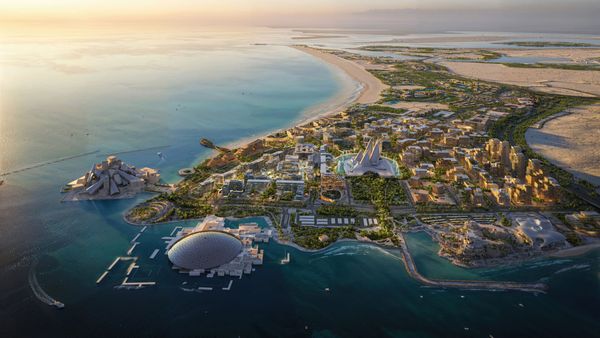
Abu Dhabi offers one of the clearest expressions of this shift. From Saadiyat Island’s cultural district to new hospitality and branded residential projects, the emirate is shaping a more layered model of destination-making — one rooted in culture, education, wellness, community and long-term relevance.
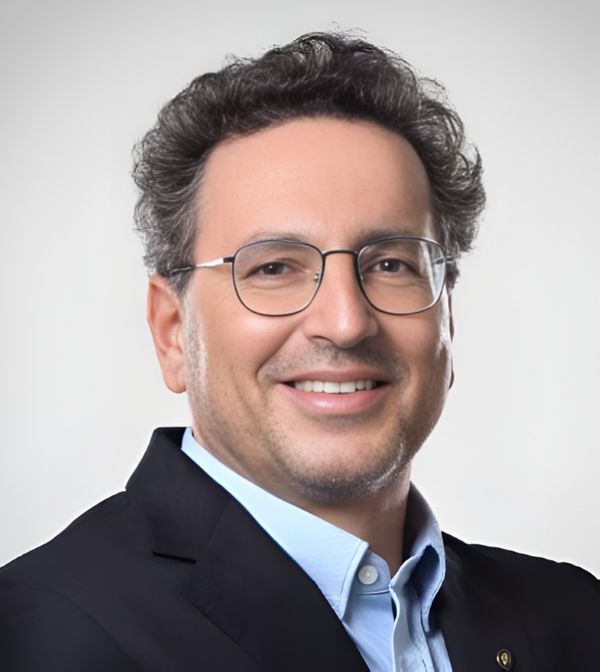
For Ralf Steinhauer, Global Hospitality Lead and Executive Director at RSP, this marks a fundamental change in how places are conceived. With projects spanning Nobu Hotel & Residences on Saadiyat Island and the BAPS Hindu Mandir Abu Dhabi, his perspective offers a timely lens on why the next generation of luxury destinations in the UAE will be defined less by scale or spectacle, and more by relevance, integration and belonging.
Hospitality is no longer just about where people sleep — it is increasingly about creating places people return to for dining, culture, wellness, work and community. What does that shift mean for designers?
It changes everything. For a long time, hospitality was designed around the idea of a stay — arrival, room, amenities, departure. It was a contained experience. Today, that model is expanding. Hotels are no longer isolated destinations; they are becoming part of daily life. People return not just to stay, but to meet, to work, to dine, to experience something.
Designing hospitality today means thinking beyond the guest room. We are no longer creating buildings; we are shaping environments that operate continuously. It requires a shift from thinking in spaces to thinking in sequences — from designing individual moments to designing systems of interaction.
The challenge isn't just to create something beautiful, but something that remains relevant throughout the day, throughout the week, and over time.
How is Abu Dhabi shaping a destination model rooted in culture, education, and wellness rather than purely tourism?
Abu Dhabi is taking a very deliberate approach. Rather than building a destination purely for visitors, it is building a place that is meaningful for residents first — and that naturally creates a more authentic appeal for tourists.
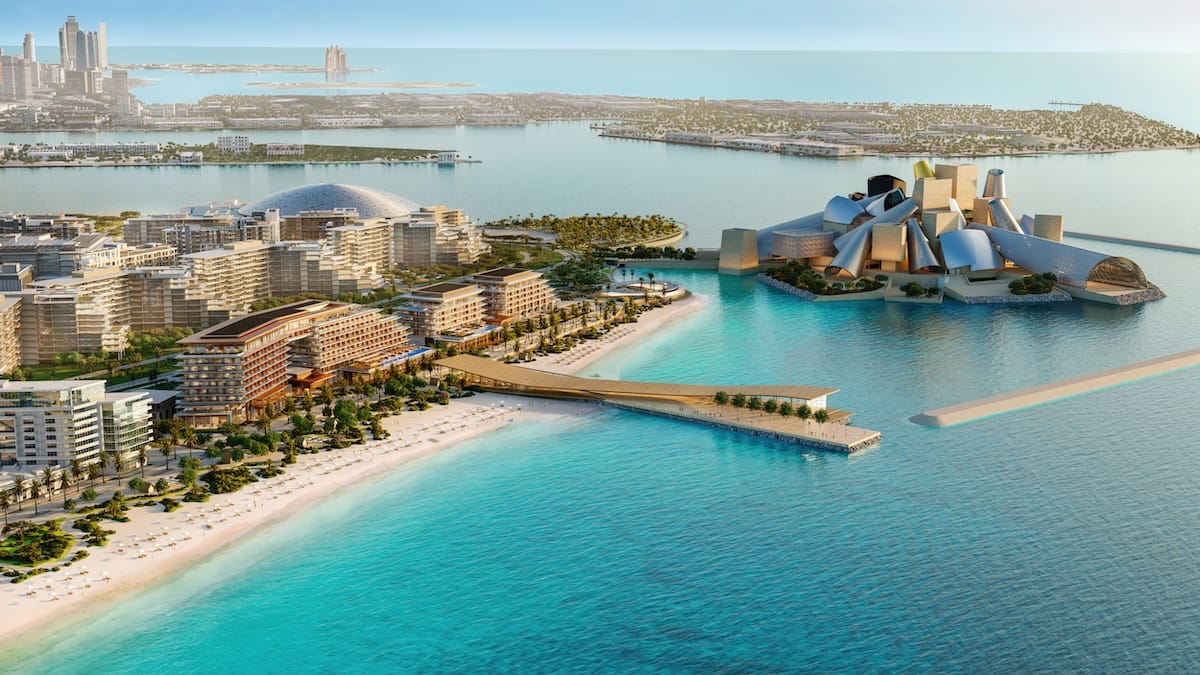
The integration of cultural institutions, educational campuses, wellness environments, and hospitality creates a much more layered model of development. Projects aren't standalone; they are part of a wider ecosystem of experiences. This is particularly evident in areas like Saadiyat Island, where culture, hospitality, and public space are designed to coexist.
The result isn't a single destination, but an environment people continue to return to and engage with over time. That creates a stronger sense of longevity — because a place that is used and valued by its community will always have relevance beyond tourism cycles.
With a project like Nobu Hotel & Residences on Saadiyat Island, how do you translate a global brand into a context as specific as Abu Dhabi?
The key is to understand that a brand isn't a fixed design language — it is a set of principles. Nobu, for example, is rooted in precision, craft, and a certain understated confidence. That remains constant. But how it is expressed must respond to context.
In Abu Dhabi, this means considering climate, cultural expectations, and the way people use space. It also means understanding that the experience extends beyond the building itself, into the surrounding cultural district.
The goal isn't to replicate a Nobu hotel from another city. It is to create a Nobu experience that could only exist in Abu Dhabi.
What separates a genuinely successful branded residence from one that simply carries a famous name?
The difference lies in depth. A successful branded residence is not defined by a logo or a set of visual references. It is defined by how the brand translates into daily life. How does it influence the way spaces are used? How does it shape service? How does it create a sense of identity for residents? If the brand is only applied superficially, it becomes decorative.
If it is embedded into the experience — into the way the building operates and how people live within it — it becomes meaningful.
Ultimately, residents aren't buying into a name. They are buying into a way of living.
In a region shaped by climate, privacy, and strong cultural codes, what does luxury design need to grasp that isn't immediately obvious from the outside?
Luxury in this region is often misunderstood from the outside as purely expressive. In reality, it is highly functional. Climate dictates how spaces are used, how they are shaded, and how they transition between inside and outside. Privacy influences how environments are organised, how circulation works, and how visibility is managed.
These factors shape the spatial logic of a project from the very beginning. Good luxury design in this context isn't about adding more, but about understanding how people live and responding to that with precision. The most successful projects are those that feel intuitive to users, even if the logic isn't immediately visible.
How important are public spaces — arrival moments, courtyards, shaded walkways, gardens, and gathering places — in creating destinations that feel alive and rooted?
Public spaces are fundamental. These spaces define how a place is experienced beyond the building itself. Arrival is no longer just a moment; it is the beginning of a sequence. Courtyards, shaded walkways, and gardens create continuity between different parts of a development. They allow people to move, pause and interact.
In many ways, these are the spaces where a destination becomes real. Because they are used not only by guests, but by the wider community. And that is what creates life.
What will the next generation of hospitality, cultural, and lifestyle destinations in Abu Dhabi need to get right?
The next phase is about integration. Not just physical integration but experiential integration. How different elements—hospitality, culture, retail, education—come together to create something cohesive.
It is also about moving beyond predefined models. Luxury will no longer be defined by checklists or scale alone. It will be defined by relevance, adaptability, and how well a place responds to its context.
The opportunity for Abu Dhabi is significant because many of these developments are still being shaped, which means there is the ability to think holistically from the beginning, not just about individual projects, but about how everything connects to form a much larger destination experience.
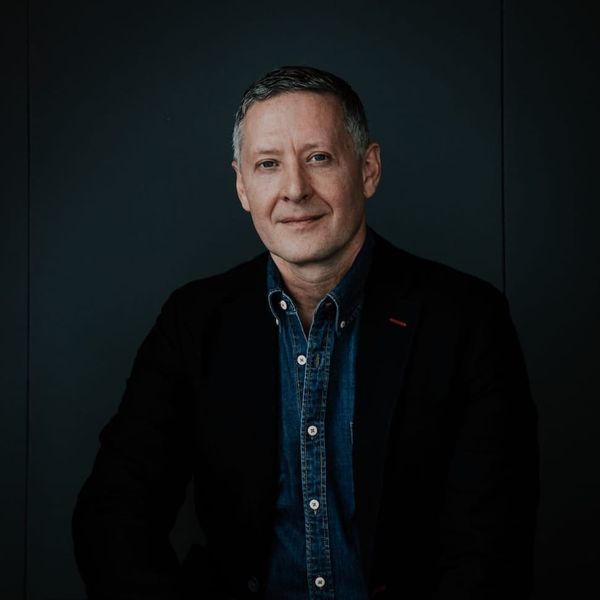
ABOUT RALF STEINHAUER
Ralf Steinhauer is the Global Hospitality Lead and Executive Director at RSP, where he leads the design and strategic development of hospitality, lifestyle, and mixed-use destinations across the Middle East and internationally. He has been recognised by Construction Week Middle East, Middle East Architect, and Middle East Consultant Magazine, which named him Executive of the Year.
With more than two decades of experience spanning Europe, Asia, Australia, and the Middle East, Steinhauer has developed a multidisciplinary approach combining architecture, interior design, urban thinking, and operational strategy. His portfolio includes luxury hospitality, branded residences, cultural destinations, and large-scale mixed-use developments across the region.
Written by